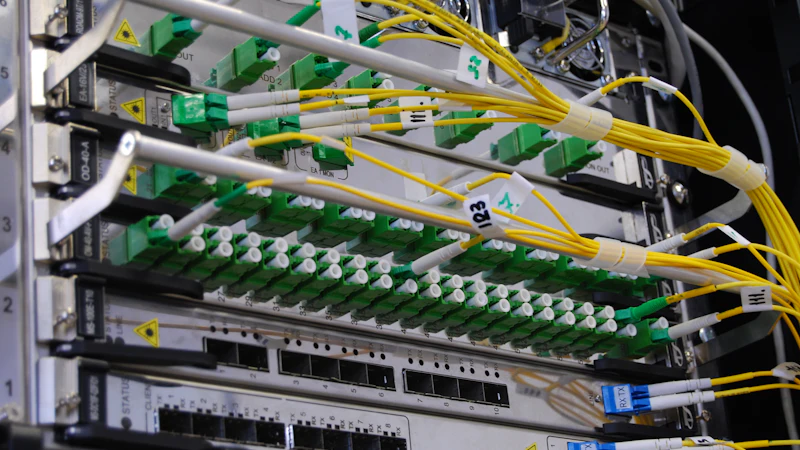
“Audits mean weeks of searching for documents and surprise findings.”

Be ready for review without the last-minute search

Maintaining traceable evidence, control results, findings and remediation records supports internal reviews and preparation for applicable external assessments.

Why it matters

Fewer surprises

Gaps are found internally before an assessor finds them.

Less disruption

Teams are not pulled away from operations to search for documents.

Credibility

Consistent records show a managed program, not a one-off effort.

Continuity

Knowledge survives staff changes when evidence is organized.

A structured approach

A sequence that can be adapted to your environment and scope.

  1. Index

    Know what evidence exists and who owns it.

  2. Refresh

    Set review dates so evidence stays current.

  3. Self-assess

    Run internal checks against the requirements.

  4. Remediate

    Track corrective actions to closure.

  5. Present

    Prepare a clear status summary for reviewers.

What you end up with

  • An evidence index with owners and review dates
  • Internal assessment results
  • A closed-loop corrective action record
  • A readiness summary

Illustrative example

Hypothetical

Before an external review, a site discovers that its remote access procedure exists but no session records were kept. Because the internal check happened two months early, logging is enabled and a period of records is available by the time of the review.
Frequently asked questions

What evidence do OT auditors usually ask for?

Commonly policies and procedures, asset inventories, architecture drawings, access reviews, remote access records, patch and backup records, change records and incident response exercises.

Facing this situation?

Describe where you are today and we'll suggest a practical way forward.

Request a consultation