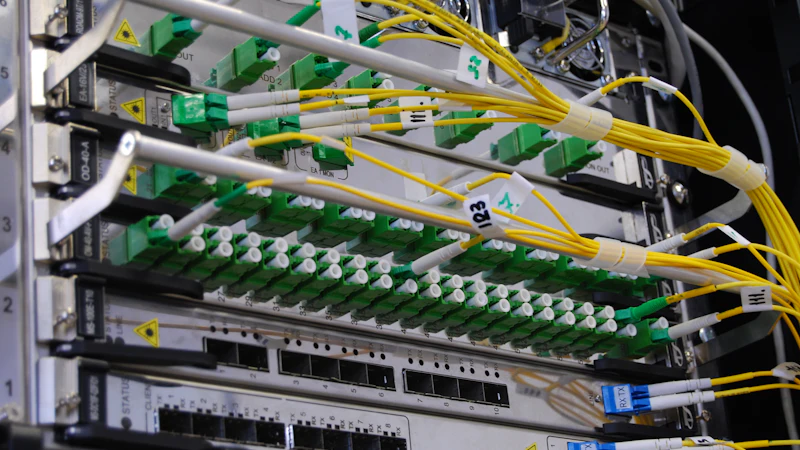
“Our critical systems run on software that can't be patched or upgraded yet.”

Keep legacy OT systems running safely until they can be replaced

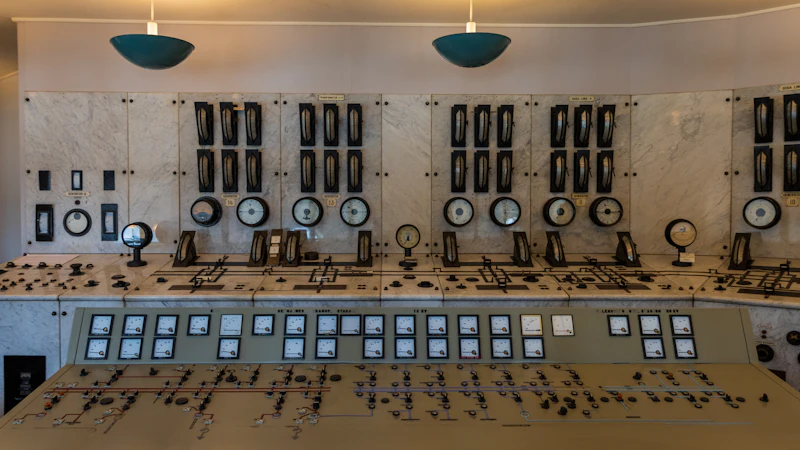
Industrial systems often outlive vendor support by years. When patching or upgrading isn't possible yet, risk can still be reduced and documented.

Why it matters

Long lifecycles

Control systems commonly run for decades.

Known weaknesses

Unsupported systems accumulate unpatched vulnerabilities.

Audit questions

Regulators expect a documented rationale and compensating measures.

Planning

Replacement must be budgeted and aligned with major outages.

A structured approach

A sequence that can be adapted to your environment and scope.

  1. Identify

    List unsupported operating systems, firmware and applications.

  2. Assess

    Rate exposure and consequence for each legacy system.

  3. Isolate

    Tighten segmentation and restrict access around them.

  4. Compensate

    Apply allowlisting, hardening and monitoring where possible.

  5. Plan

    Schedule migration with the next suitable outage.

What you end up with

  • A legacy system register with support dates
  • Documented compensating controls
  • Residual risk accepted by an owner
  • A migration roadmap

Illustrative example

Hypothetical

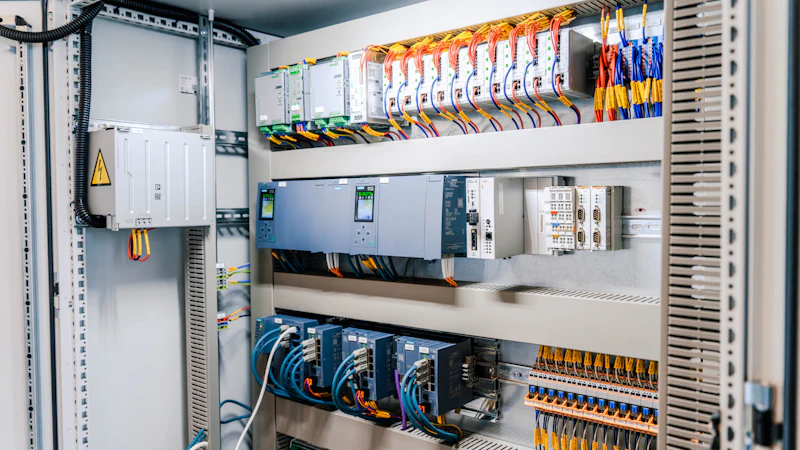
An HMI server runs an operating system that left support years ago. It is moved into its own zone with only the required flows allowed, application allowlisting is applied and its replacement is added to the next turnaround scope.
Frequently asked questions

What is a compensating control for legacy OT?

A measure that reduces risk when the normal fix is not possible, such as isolating the system, restricting access, application allowlisting or additional monitoring.

Facing this situation?

Describe where you are today and we'll suggest a practical way forward.

Request a consultation