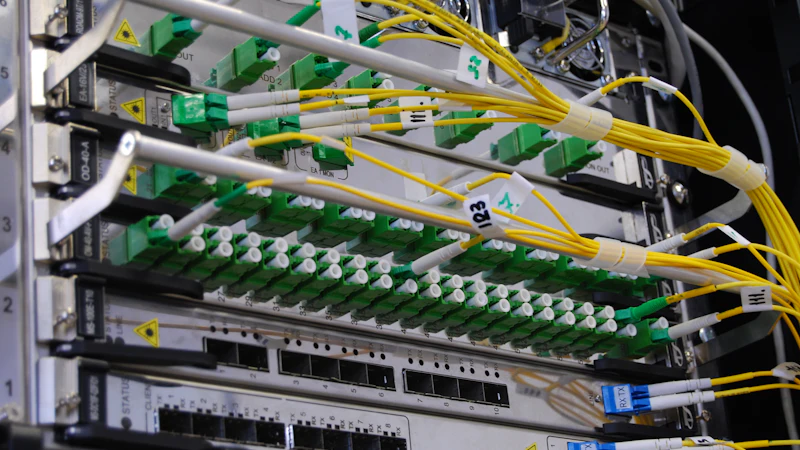
“Our network drawings don't match what's actually connected.”

Find the gaps between your intended and actual architecture

Architecture documentation can be reviewed to identify unclear boundaries, excessive connectivity, weak segmentation assumptions and important dependencies — before an incident reveals them.

Why it matters

Containment

Segmentation determines how far an incident can spread.

Hidden dependencies

Shared services can quietly connect zones that should be separate.

Change planning

An accurate model makes network changes safer to plan.

Remote access

Access paths are often the least documented part of the design.

A structured approach

A sequence that can be adapted to your environment and scope.

  1. Gather

    Collect drawings, firewall exports and system descriptions.

  2. Model

    Draw zones, boundaries and permitted flows as found.

  3. Challenge

    Test each segmentation assumption against the evidence.

  4. Find

    Record excess connectivity and unclear boundaries.

  5. Target

    Define a target design and migration steps.

What you end up with

  • An as-found architecture view
  • Findings tied to specific zones and flows
  • A target architecture
  • A sequenced migration plan

Illustrative example

Hypothetical

Drawings show the control network separated from the business network by a firewall. The firewall export shows broad rules added for a historian project, and a domain controller shared by both sides. The review recommends moving the historian interface to a DMZ and separating identity services.
Frequently asked questions

What is a segmentation assumption?

A belief that two parts of the network cannot communicate, or only in limited ways. Reviews check whether firewall rules, shared services and remote access paths actually support it.

Facing this situation?

Describe where you are today and we'll suggest a practical way forward.

Request a consultation